Inside Malaysia's last match factory
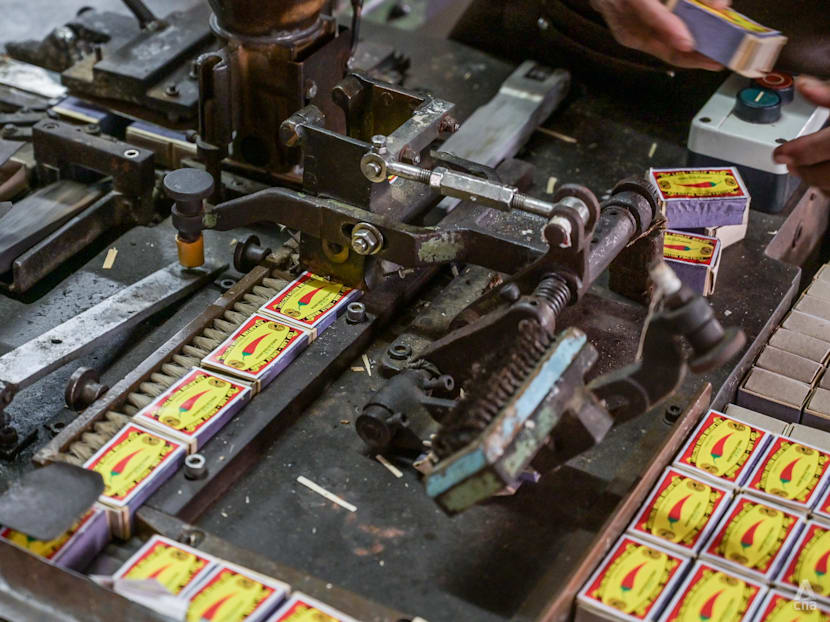
A machine being used to press the labels on the matchboxes. (Photo: CNA/Fadza Ishak)

This audio is generated by an AI tool.


He’s known among his co-workers as “Matchstick Wee�, a nickname he’s earned over his three decades working at Kelantan Match Factory in Kota Bahru in Kelantan, Malaysia.
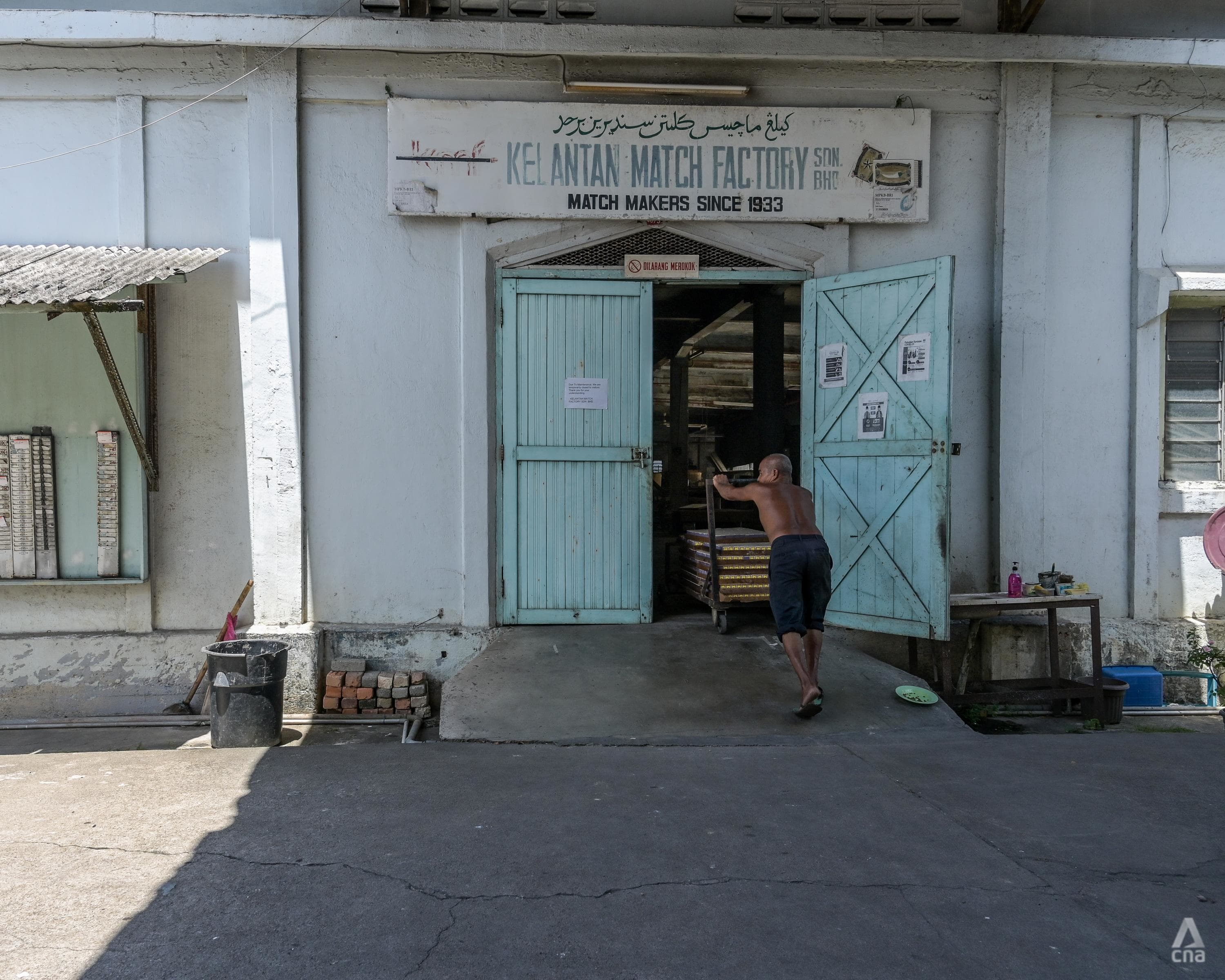
Established in 1933, the factory is said to be the last of its kind in Malaysia.
Mr Wee, 76, who wanted to be known only by his surname, is the factory manager.
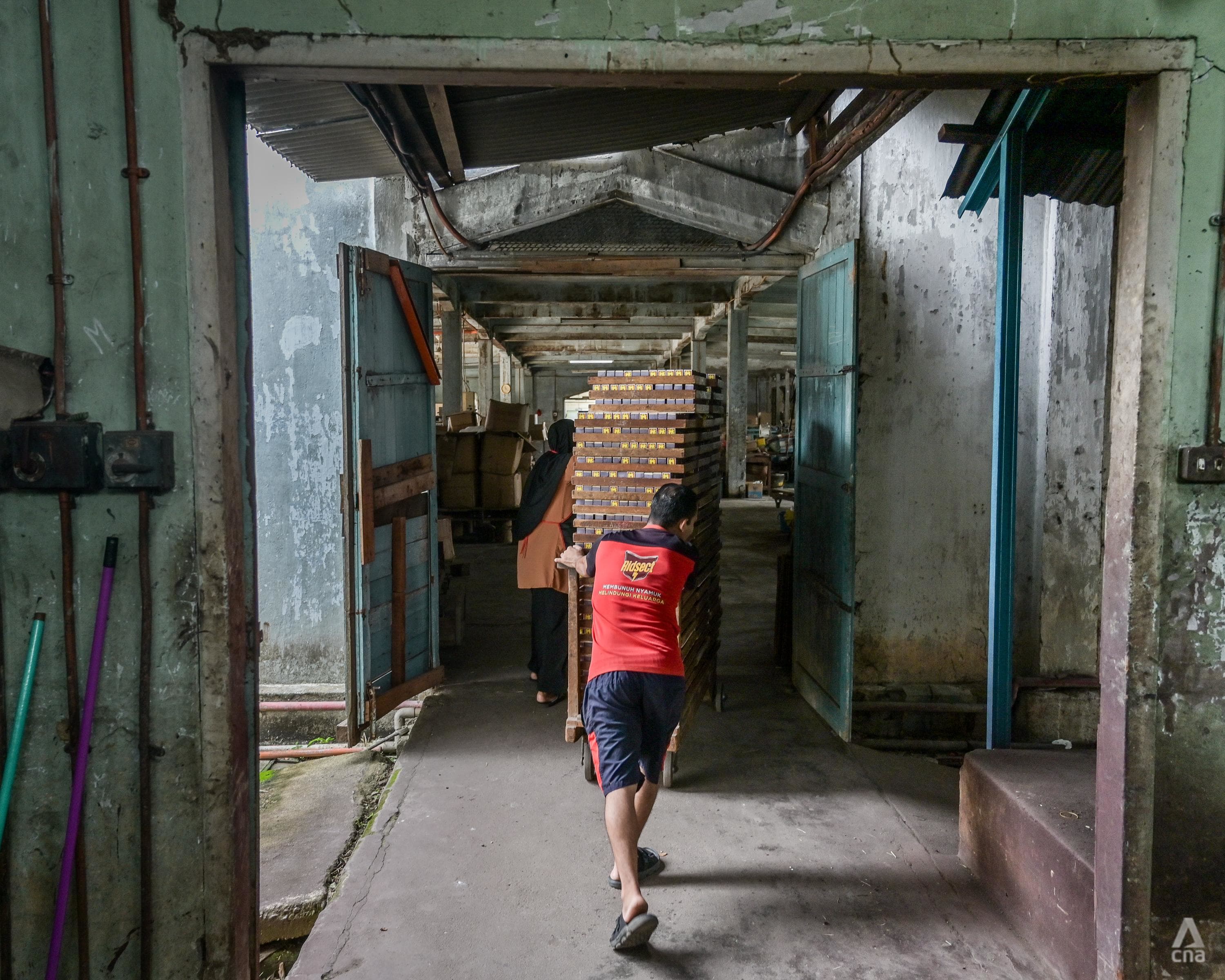
Today, just a handful of staff still work in the factory, a far cry from the 1,000 employees a few decades ago.
“We used to have three shifts of workers, now look at us, only 30 workers left.�
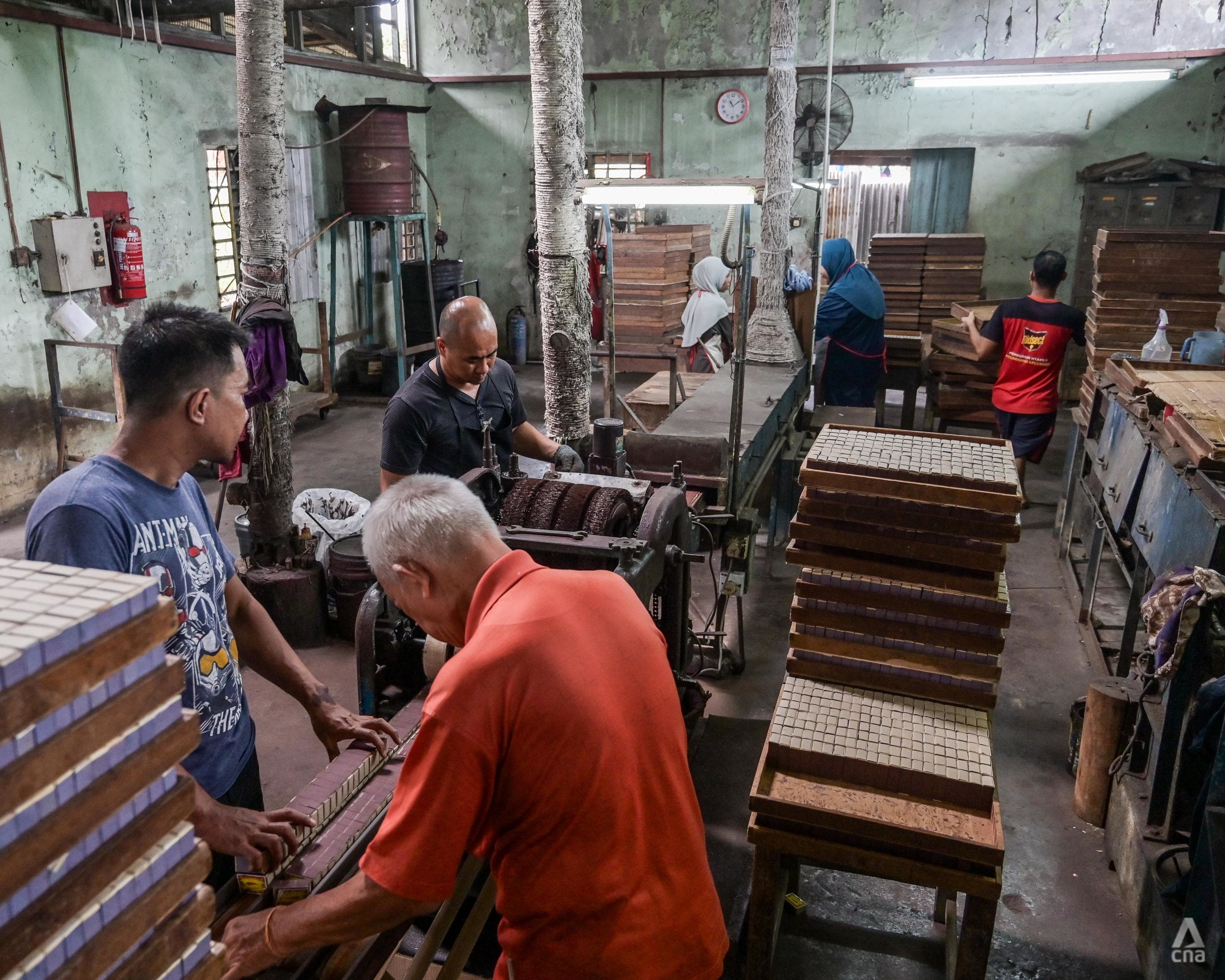
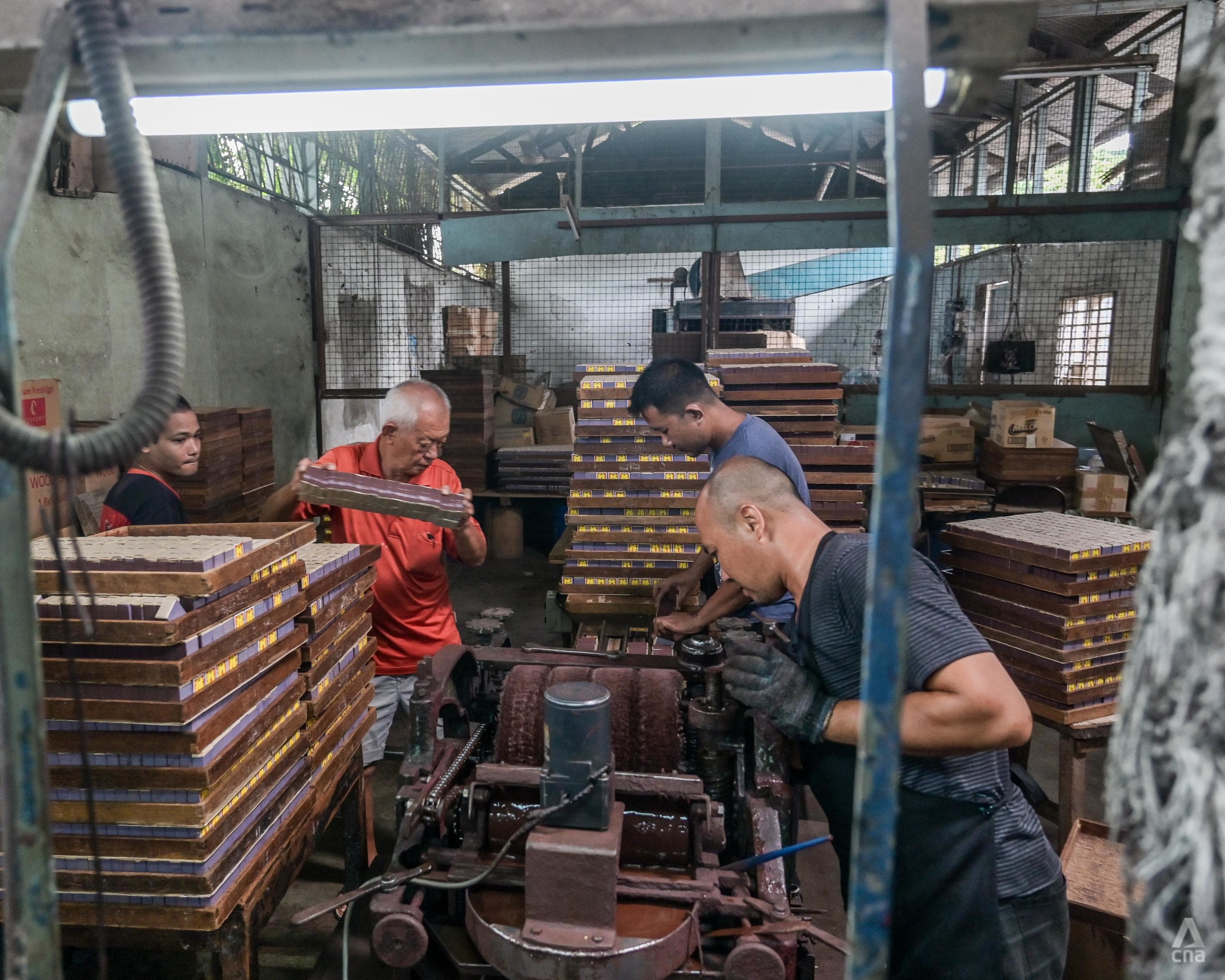
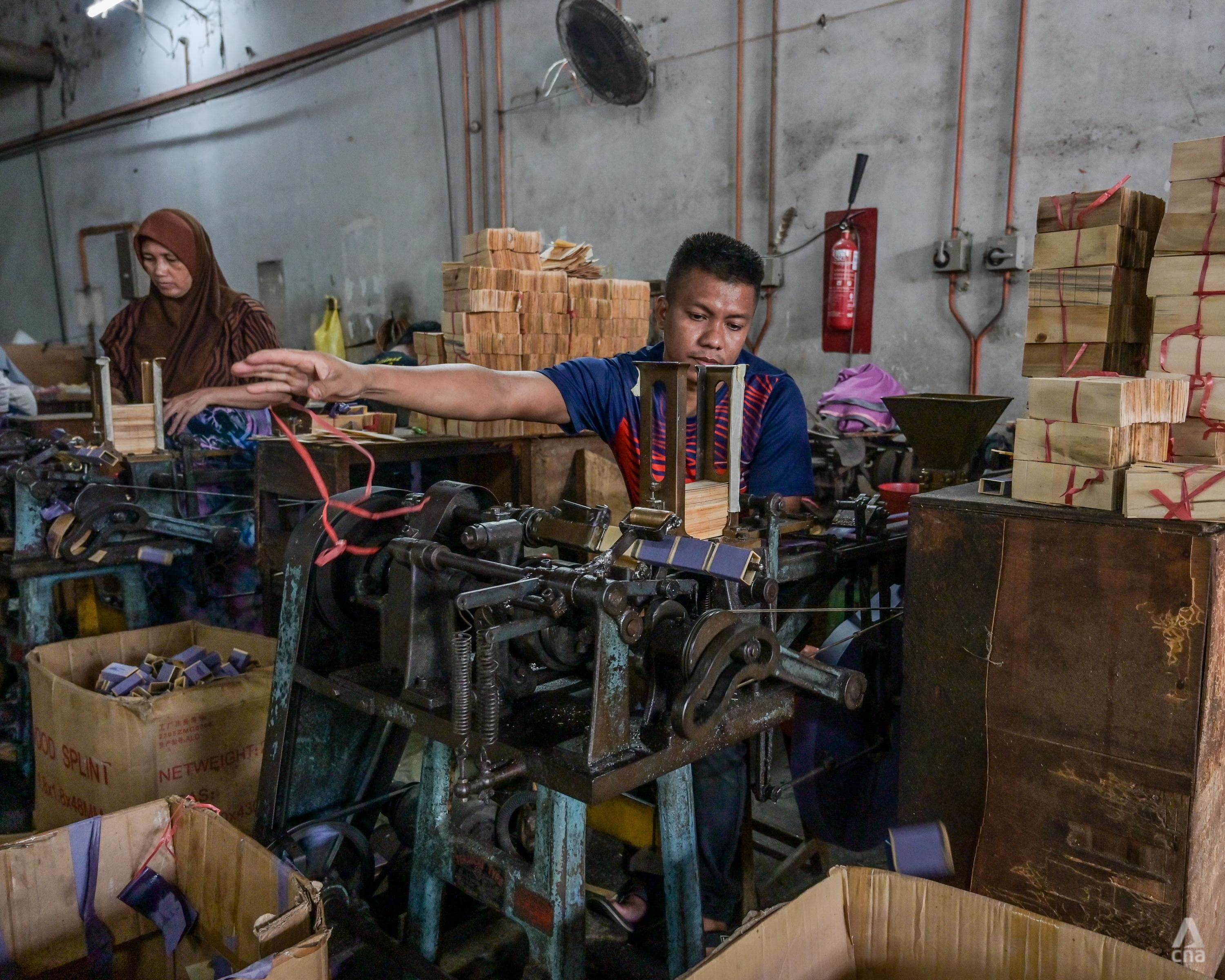
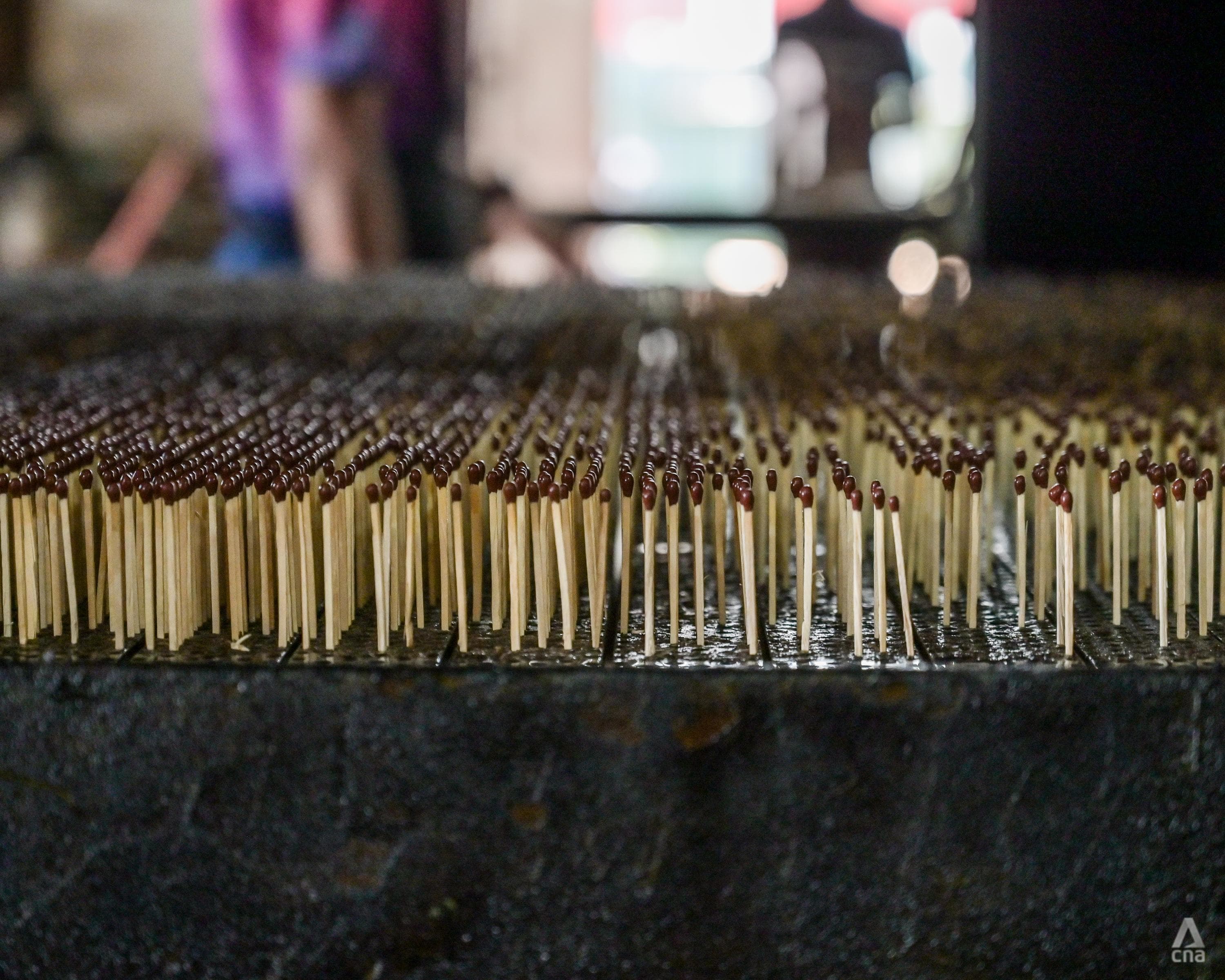
Today, the factory imports most of its raw materials from China, due to scarcity and stricter regulations affecting local timber.
According to Mr Wee, sales of matches have dropped 50 to 70 per cent compared to 30 years ago.
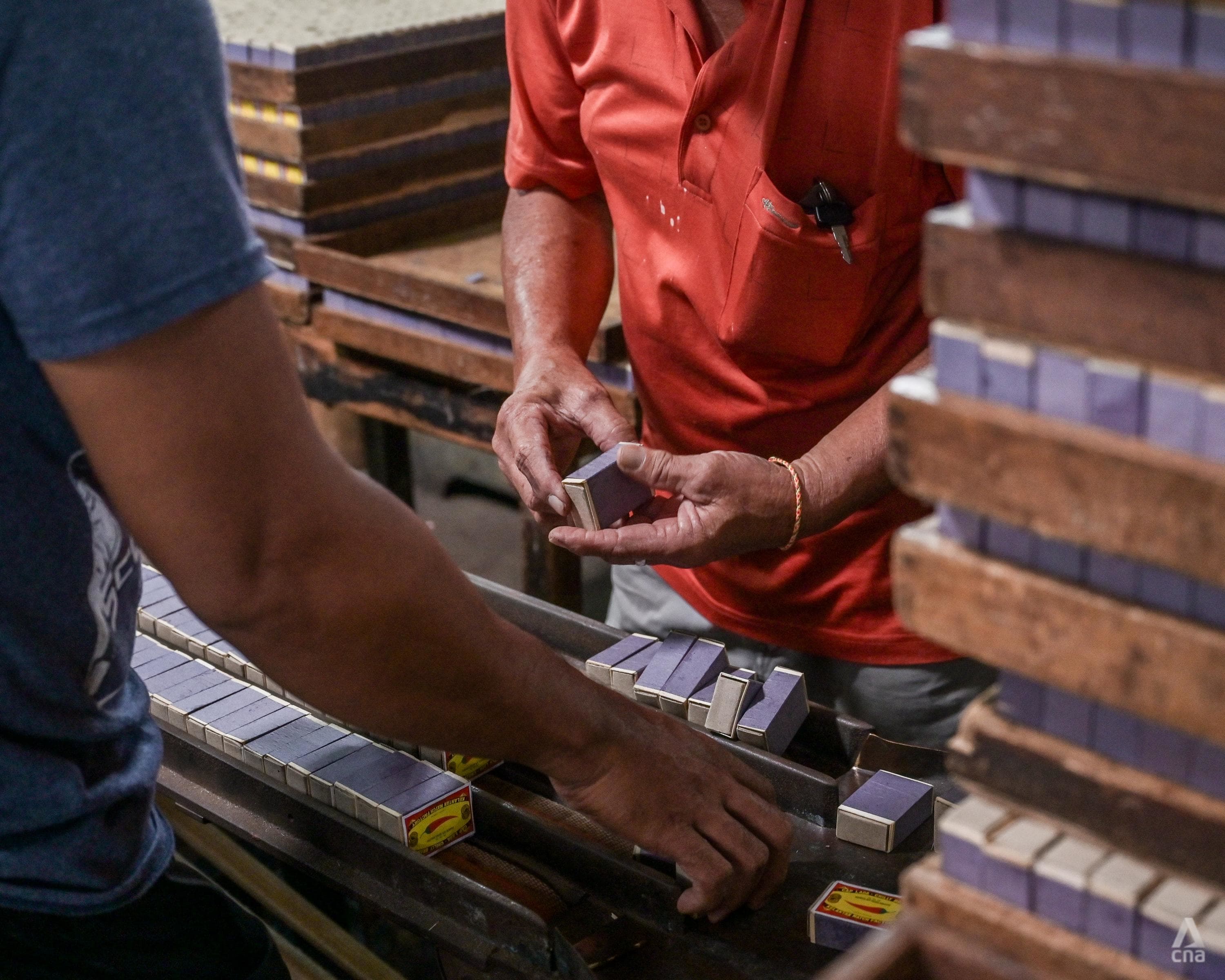

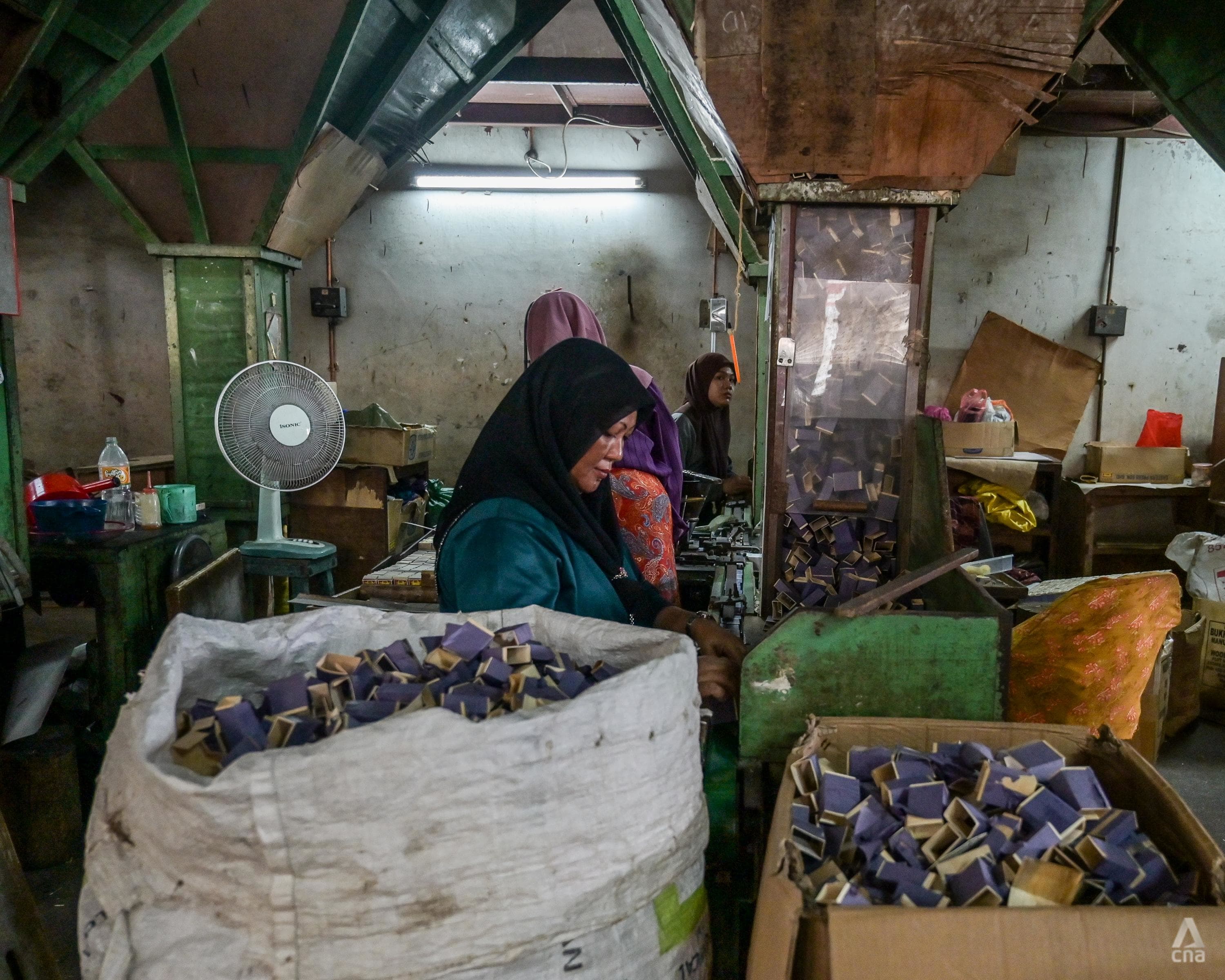
A SUNSET INDUSTRY
Madam Siti Mazenah, 55, has been working in the factory for 37 years and is one of its longest-serving employees.
Her main task is to label and sort the matchboxes, working from 9am to 4pm, Monday to Friday.
“I like working here, they allow us to change job scope if we want to and I learn a lot about the processes.�
Most of the remaining staff have also been with the company for decades.
Mr Fakhrul Syahmi is the exception.
He started working at the factory only a year ago, right after he got married.
The 26-year-old said he was surprised to learn that the factory is still in operation, and took on the job because it paid more than his last one.
“Even my friends were shocked when I told them I was working at this match factory. They thought it had closed down.�

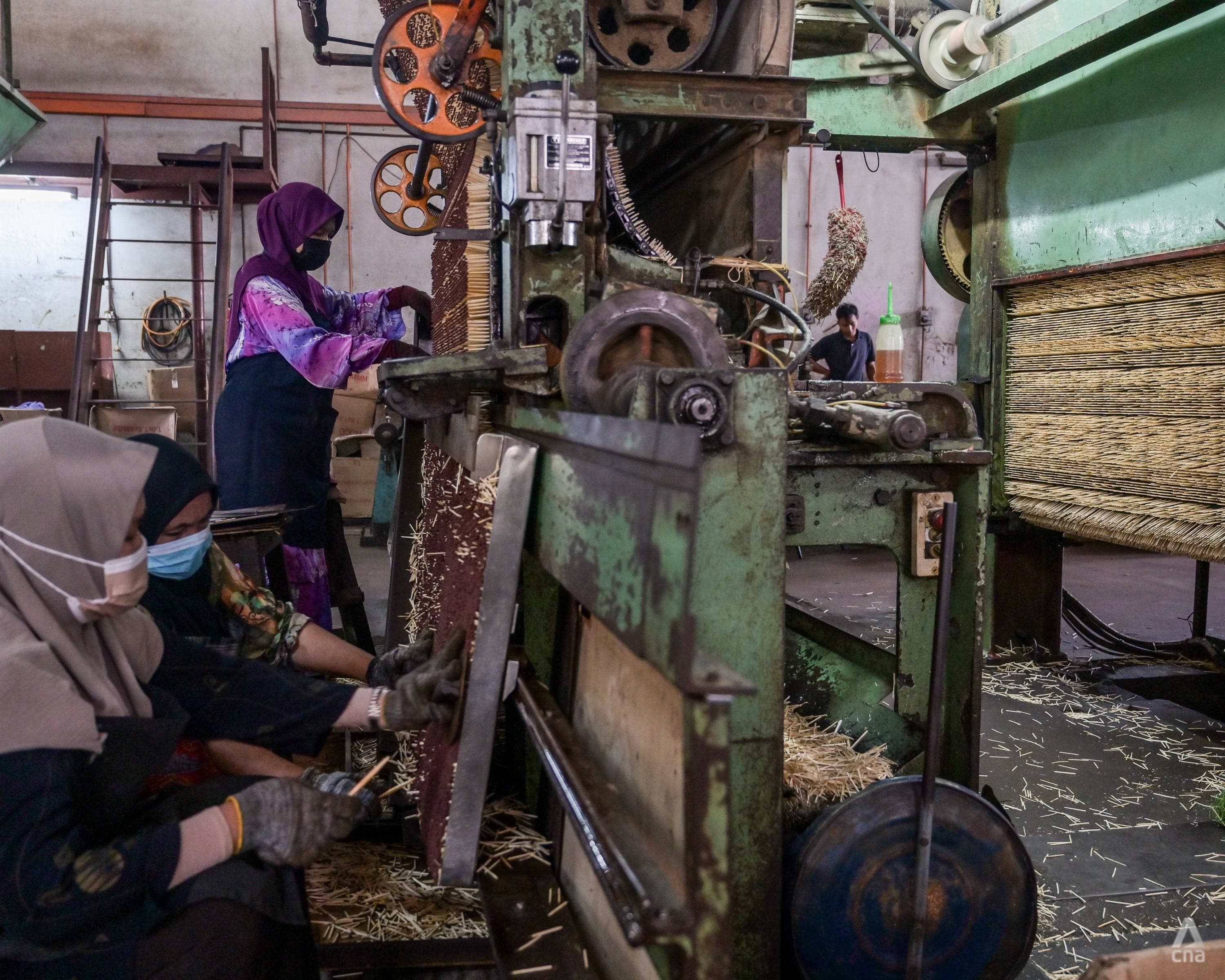
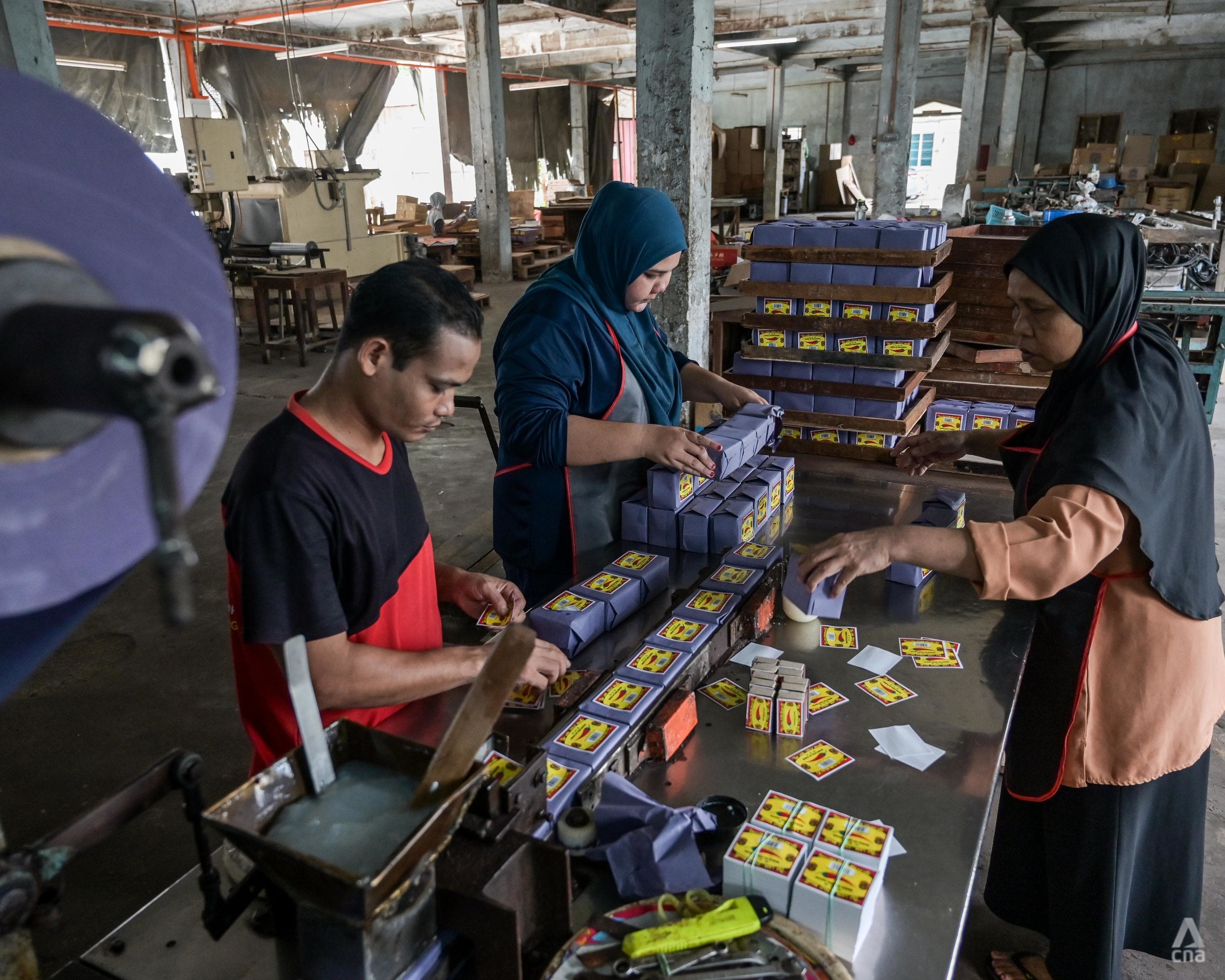
AN UNEXPECTED TOURIST SPOT
A steady stream of tourists has been showing up at the rustic factory in recent years, even though there wasn't a deliberate attempt to open its doors to the public.
“They just show up out of nowhere. Every day they come. So many of them sometimes,� said Mr Wee.
He said he never thought about closing the factory, believing there will still be demand for matches, especially from people in the rural areas.
“I don’t know how long this will last. But for now, I will just keep working.�